News

Sunday, August 4, 2024

Mastering Interview Tips and Preparation for Finance, Insurance, and Banking Careers

 

Mastering Interview Tips and Preparation for Finance, Insurance, and Banking Careers

Professional dressed for a finance interview, sitting at a desk with documents and a laptop, looking confident

Securing a job in the competitive fields of finance, insurance, and banking requires more than just a strong resume. The interview process is a crucial step where you can showcase your skills, knowledge, and personality. This comprehensive guide will provide you with valuable interview tips and preparation strategies to help you stand out and land your dream job in these lucrative industries.

Understanding the Finance, Insurance, and Banking Interview Landscape

Before diving into specific tips, it's important to understand the unique aspects of interviews in these sectors:

  • High competition for positions
  • Emphasis on technical knowledge and analytical skills
  • Focus on regulatory compliance and ethical conduct
  • Importance of staying updated with market trends
  • Value placed on soft skills such as communication and teamwork

Essential Interview Preparation Steps

To maximize your chances of success, follow these key preparation steps:

  1. Research the Company: Understand the company's history, values, products, and recent news.
  2. Review the Job Description: Align your skills and experiences with the role requirements.
  3. Practice Common Interview Questions: Prepare answers to frequently asked questions in finance interviews.
  4. Brush Up on Technical Knowledge: Review key financial concepts, ratios, and industry-specific terminology.
  5. Prepare Your Own Questions: Demonstrate your interest by asking thoughtful questions about the role and company.
  6. Mock Interviews: Practice with a friend or mentor to gain confidence and receive feedback.
  7. Dress Appropriately: Choose professional attire that aligns with the company culture.

Common Interview Questions in Finance, Insurance, and Banking

Here's a table of frequently asked questions in these industries, along with tips on how to approach them:

QuestionApproach Tips
Tell me about yourself.Focus on your professional background and relevant experiences. Highlight key achievements.
Why do you want to work in finance/insurance/banking?Discuss your passion for the field and how it aligns with your career goals.
How do you stay updated with financial news and market trends?Mention specific publications, websites, or apps you use regularly.
Can you explain [specific financial concept]?Provide a clear, concise explanation. Use an example if possible.
How would you handle a difficult client?Emphasize your communication skills and ability to remain professional under pressure.
What's your biggest weakness?Be honest, but focus on how you're working to improve.
Where do you see yourself in 5 years?Align your answer with potential growth opportunities within the company.

Mastering the STAR Method for Behavioral Questions

Behavioral questions are common in finance, insurance, and banking interviews. The STAR method is an effective way to structure your responses:

  • Situation: Describe the context or background.
  • Task: Explain your role or responsibility in the situation.
  • Action: Detail the steps you took to address the task.
  • Result: Share the outcome and what you learned.

Example STAR response for a finance interview:

Question: Can you describe a time when you had to make a difficult financial decision?

Answer: (Situation) In my previous role as a financial analyst, our company was considering a major acquisition. (Task) I was tasked with analyzing the potential risks and benefits of the deal. (Action) I conducted a thorough due diligence process, including financial statement analysis, market research, and risk assessment. I presented my findings to the executive team, highlighting both the potential for growth and the significant risks involved. (Result) Based on my analysis, the company decided to pursue a smaller, less risky acquisition instead. This decision proved successful, as we were able to integrate the new company smoothly and achieve our growth targets without overextending our resources.

Technical Skills Assessment in Finance Interviews

Many finance, insurance, and banking interviews include a technical component to assess your knowledge and analytical skills. Here are some areas to focus on:

  • Financial statement analysis
  • Valuation methods (e.g., DCF, comparable company analysis)
  • Financial modeling
  • Risk management principles
  • Understanding of financial markets and instruments
  • Regulatory knowledge (e.g., Basel III, Solvency II)
  • Basic coding skills (e.g., Excel, SQL, Python)

Importance of Soft Skills in Finance Careers

While technical skills are crucial, soft skills are equally important in finance, insurance, and banking roles. Here's a chart showing the most valued soft skills in these industries


:During your interview, make sure to highlight these soft skills through examples from your past experiences.

Navigating Different Types of Interviews

Finance, insurance, and banking interviews can take various forms. Be prepared for:

  • Phone Screenings: Often the first step, focusing on basic qualifications and interest.
  • Video Interviews: Increasingly common, especially for initial rounds. Ensure your technology and background are professional.
  • In-person Interviews: May include one-on-one, panel, or group interviews.
  • Assessment Centers: Common for graduate roles, involving group exercises, presentations, and tests.
  • Case Interviews: Particularly common in consulting roles within finance, testing your problem-solving skills.

Post-Interview Follow-up

Your actions after the interview can also impact your chances of success:

  1. Send a thank-you email within 24 hours of the interview.
  2. Reiterate your interest in the position and the company.
  3. Briefly mention a key point from the interview to help the interviewer remember you.
  4. If you don't hear back within the expected timeframe, send a polite follow-up email.

Handling Rejection and Learning from the Experience

If you don't get the job, don't be discouraged. Instead:

  • Ask for feedback on your interview performance.
  • Reflect on what you could improve for future interviews.
  • Keep in touch with the company for future opportunities.
  • Continue to build your skills and network in the industry.

Continuous Learning and Professional Development

The finance, insurance, and banking industries are constantly evolving. To stay competitive in the job market:

  • Pursue relevant certifications (e.g., CFA, CPA, ACCA)
  • Attend industry conferences and webinars
  • Join professional associations in your field
  • Consider further education, such as an MBA or specialized master's degree
  • Stay updated with industry news and trends

Conclusion

Mastering the art of interviewing for finance, insurance, and banking roles takes time and practice. By thoroughly preparing, showcasing your technical and soft skills, and demonstrating your passion for the industry, you'll significantly increase your chances of landing your dream job. Remember, each interview is a learning experience that brings you one step closer to your career goals.

Additional Resources

To further support your interview preparation, here's a helpful YouTube video that provides additional tips for finance interviews:

This video offers insights from industry professionals on how to ace your finance interview.
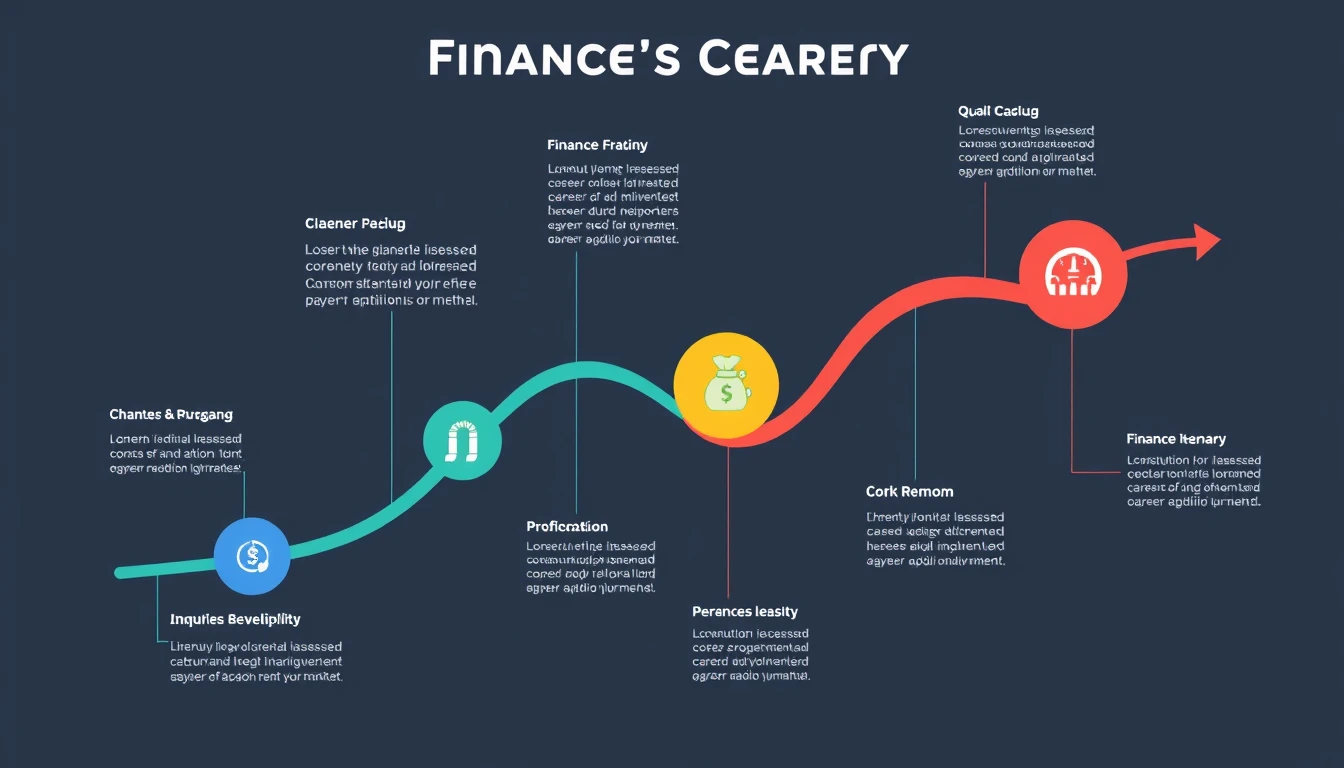
Infographic showing various career paths in finance, insurance, and banking, with icons representing different roles and milestones

As you prepare for your interviews in the finance, insurance, or banking sectors, remember that success comes from a combination of thorough preparation, confidence, and authenticity. Showcase your unique strengths and experiences, and don't be afraid to let your passion for the industry shine through. With dedication and the right approach, you'll be well on your way to launching or advancing your career in these exciting and rewarding fields.


Handshake between interviewer and candidate, symbolizing a successful finance interview


Finance and Accounting Jobs Hub in GCC/Gulf

  Finance and Accounting Jobs in GCC/Gulf UAE Jobs Find Jobs Bahrain Jobs Find Jobs Oman Jobs Find Jobs Kuwait Jobs Find Jobs Qatar Jobs Fin...

JobsList

Sunday, August 4, 2024

Mastering Interview Tips and Preparation for Finance, Insurance, and Banking Careers


Mastering Interview Tips and Preparation for Finance, Insurance, and Banking Careers

Professional dressed for a finance interview, sitting at a desk with documents and a laptop, looking confident

Securing a job in the competitive fields of finance, insurance, and banking requires more than just a strong resume. The interview process is a crucial step where you can showcase your skills, knowledge, and personality. This comprehensive guide will provide you with valuable interview tips and preparation strategies to help you stand out and land your dream job in these lucrative industries.

Understanding the Finance, Insurance, and Banking Interview Landscape

Before diving into specific tips, it's important to understand the unique aspects of interviews in these sectors:

  • High competition for positions
  • Emphasis on technical knowledge and analytical skills
  • Focus on regulatory compliance and ethical conduct
  • Importance of staying updated with market trends
  • Value placed on soft skills such as communication and teamwork

Essential Interview Preparation Steps

To maximize your chances of success, follow these key preparation steps:

  1. Research the Company: Understand the company's history, values, products, and recent news.
  2. Review the Job Description: Align your skills and experiences with the role requirements.
  3. Practice Common Interview Questions: Prepare answers to frequently asked questions in finance interviews.
  4. Brush Up on Technical Knowledge: Review key financial concepts, ratios, and industry-specific terminology.
  5. Prepare Your Own Questions: Demonstrate your interest by asking thoughtful questions about the role and company.
  6. Mock Interviews: Practice with a friend or mentor to gain confidence and receive feedback.
  7. Dress Appropriately: Choose professional attire that aligns with the company culture.

Common Interview Questions in Finance, Insurance, and Banking

Here's a table of frequently asked questions in these industries, along with tips on how to approach them:

QuestionApproach Tips
Tell me about yourself.Focus on your professional background and relevant experiences. Highlight key achievements.
Why do you want to work in finance/insurance/banking?Discuss your passion for the field and how it aligns with your career goals.
How do you stay updated with financial news and market trends?Mention specific publications, websites, or apps you use regularly.
Can you explain [specific financial concept]?Provide a clear, concise explanation. Use an example if possible.
How would you handle a difficult client?Emphasize your communication skills and ability to remain professional under pressure.
What's your biggest weakness?Be honest, but focus on how you're working to improve.
Where do you see yourself in 5 years?Align your answer with potential growth opportunities within the company.

Mastering the STAR Method for Behavioral Questions

Behavioral questions are common in finance, insurance, and banking interviews. The STAR method is an effective way to structure your responses:

  • Situation: Describe the context or background.
  • Task: Explain your role or responsibility in the situation.
  • Action: Detail the steps you took to address the task.
  • Result: Share the outcome and what you learned.

Example STAR response for a finance interview:

Question: Can you describe a time when you had to make a difficult financial decision?

Answer: (Situation) In my previous role as a financial analyst, our company was considering a major acquisition. (Task) I was tasked with analyzing the potential risks and benefits of the deal. (Action) I conducted a thorough due diligence process, including financial statement analysis, market research, and risk assessment. I presented my findings to the executive team, highlighting both the potential for growth and the significant risks involved. (Result) Based on my analysis, the company decided to pursue a smaller, less risky acquisition instead. This decision proved successful, as we were able to integrate the new company smoothly and achieve our growth targets without overextending our resources.

Technical Skills Assessment in Finance Interviews

Many finance, insurance, and banking interviews include a technical component to assess your knowledge and analytical skills. Here are some areas to focus on:

  • Financial statement analysis
  • Valuation methods (e.g., DCF, comparable company analysis)
  • Financial modeling
  • Risk management principles
  • Understanding of financial markets and instruments
  • Regulatory knowledge (e.g., Basel III, Solvency II)
  • Basic coding skills (e.g., Excel, SQL, Python)

Importance of Soft Skills in Finance Careers

While technical skills are crucial, soft skills are equally important in finance, insurance, and banking roles. Here's a chart showing the most valued soft skills in these industries


:During your interview, make sure to highlight these soft skills through examples from your past experiences.

Navigating Different Types of Interviews

Finance, insurance, and banking interviews can take various forms. Be prepared for:

  • Phone Screenings: Often the first step, focusing on basic qualifications and interest.
  • Video Interviews: Increasingly common, especially for initial rounds. Ensure your technology and background are professional.
  • In-person Interviews: May include one-on-one, panel, or group interviews.
  • Assessment Centers: Common for graduate roles, involving group exercises, presentations, and tests.
  • Case Interviews: Particularly common in consulting roles within finance, testing your problem-solving skills.

Post-Interview Follow-up

Your actions after the interview can also impact your chances of success:

  1. Send a thank-you email within 24 hours of the interview.
  2. Reiterate your interest in the position and the company.
  3. Briefly mention a key point from the interview to help the interviewer remember you.
  4. If you don't hear back within the expected timeframe, send a polite follow-up email.

Handling Rejection and Learning from the Experience

If you don't get the job, don't be discouraged. Instead:

  • Ask for feedback on your interview performance.
  • Reflect on what you could improve for future interviews.
  • Keep in touch with the company for future opportunities.
  • Continue to build your skills and network in the industry.

Continuous Learning and Professional Development

The finance, insurance, and banking industries are constantly evolving. To stay competitive in the job market:

  • Pursue relevant certifications (e.g., CFA, CPA, ACCA)
  • Attend industry conferences and webinars
  • Join professional associations in your field
  • Consider further education, such as an MBA or specialized master's degree
  • Stay updated with industry news and trends

Conclusion

Mastering the art of interviewing for finance, insurance, and banking roles takes time and practice. By thoroughly preparing, showcasing your technical and soft skills, and demonstrating your passion for the industry, you'll significantly increase your chances of landing your dream job. Remember, each interview is a learning experience that brings you one step closer to your career goals.

Additional Resources

To further support your interview preparation, here's a helpful YouTube video that provides additional tips for finance interviews:

This video offers insights from industry professionals on how to ace your finance interview.

Infographic showing various career paths in finance, insurance, and banking, with icons representing different roles and milestones

As you prepare for your interviews in the finance, insurance, or banking sectors, remember that success comes from a combination of thorough preparation, confidence, and authenticity. Showcase your unique strengths and experiences, and don't be afraid to let your passion for the industry shine through. With dedication and the right approach, you'll be well on your way to launching or advancing your career in these exciting and rewarding fields.

Handshake between interviewer and candidate, symbolizing a successful finance interview